
01 AHI: how often?
The apnea-hypopnea index counts apneas and hypopneas per hour of sleep. It remains a standard measure in assessment.3
what we now know
Take a closer look at what the apnea-hypopnea index (AHI) and hypoxic burden each measure, the traits that contribute to obstructive sleep apnea (OSA) pathophysiology in different patients, and how patients see their own risk.1,2
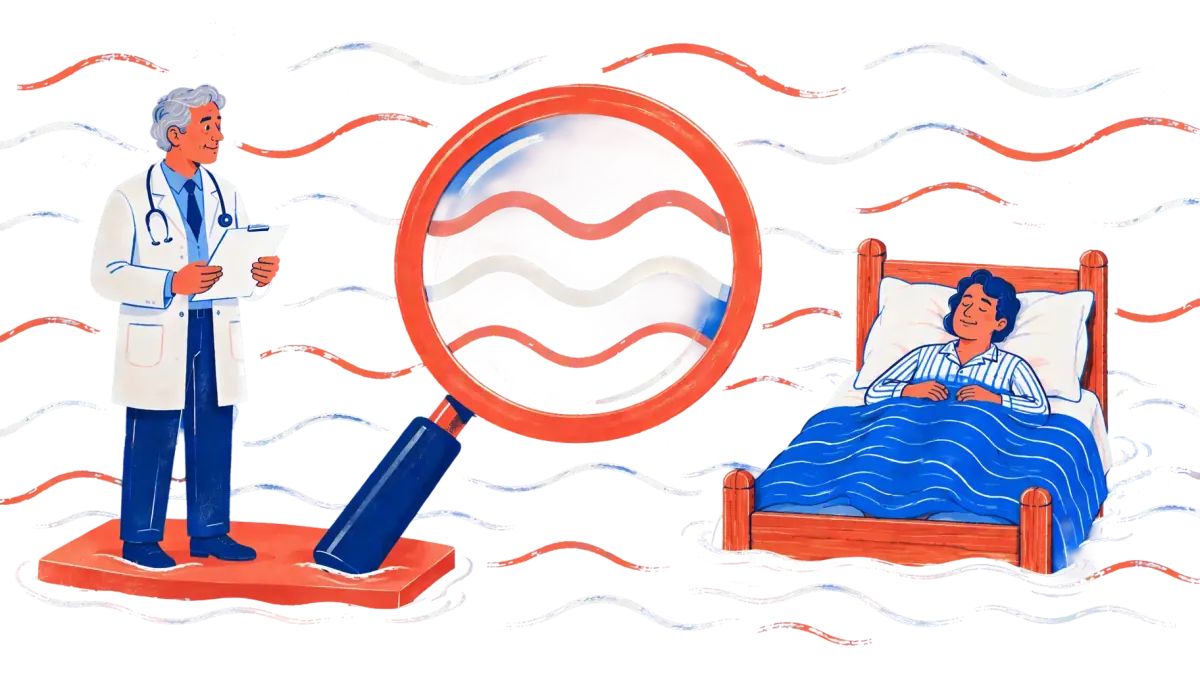
The apnea-hypopnea index counts apneas and hypopneas per hour of sleep. It remains a standard measure in assessment.3
Sleep apnea–specific hypoxic burden captures the frequency, depth, and duration of event-related oxygen desaturations, expressed as desaturation area per hour of sleep.1
Hypoxic burden is an evolving research measure. It is not interchangeable with time below an oxygen threshold, and no treatment threshold is proposed here.1
Hear from the sleep apnea experts
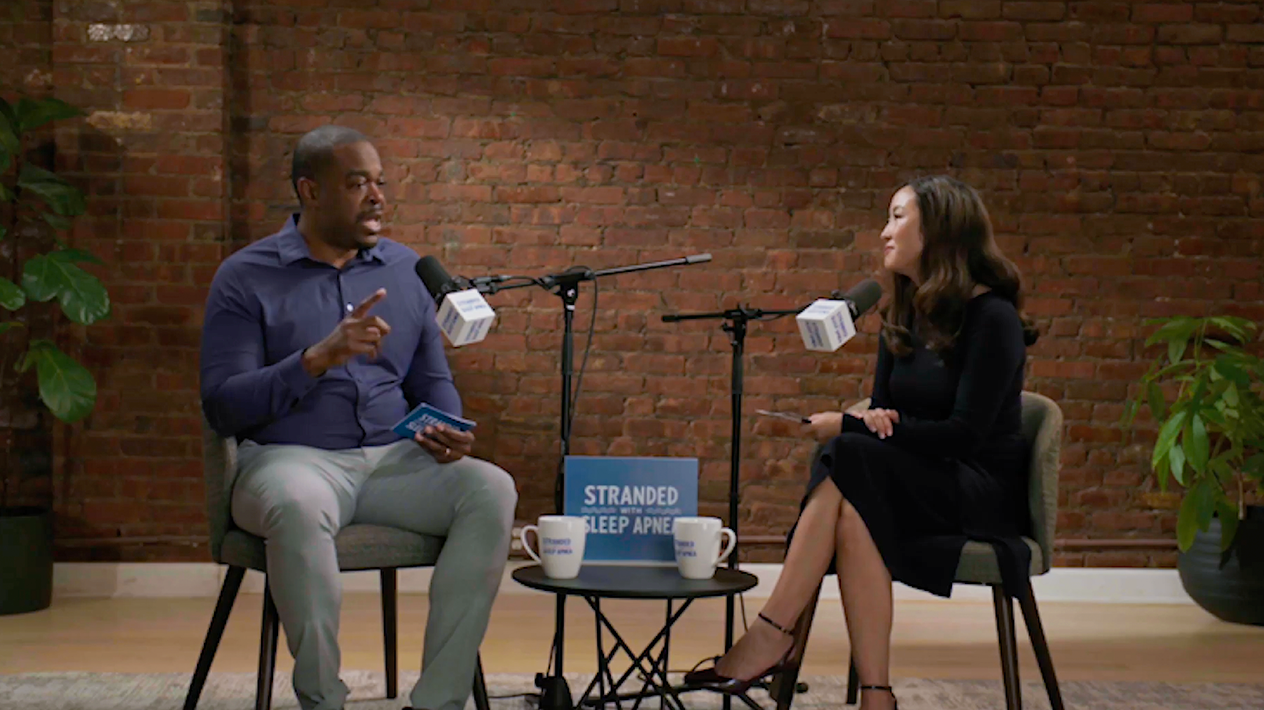
Dr. Cheri Mah and Dr. Chris Allen discuss the “mild” sleep apnea label. Is it more serious than it sounds?
Featuring Dr. Chris Allen, with host Dr. Cheri Mah.
Dr. Chris Allen: Oxygen is still being decreased in your body and your bed partner still hears you snore. And there's nothing mild about that.
[Title card: What “mild” leaves out — A Stranded With Sleep Apnea conversation]
Dr. Cheri Mah: Hi, I’m Dr. Cheri Mah, a sleep physician and performance specialist and host of the Stranded With Sleep Apnea podcast series. Joining me today is Doctor Chris Allen, a physician who is double board certified in sleep medicine and pediatric neurology. Alongside his clinical work, he spends a great deal of time on public education, helping people understand what a diagnosis actually means. He explains severity categories to real people in real appointments every week.
[Lower third: Cheri D. Mah, MD, MS | Host, Stranded With Sleep Apnea | Sleep physician and performance specialist]
Dr. Cheri Mah: So how do you end up arriving at having a severity category.
Dr. Chris Allen: So if it's anywhere from 5 to like under 15 that's mild, 15 to 30 moderate. And anything over 30 that's severe.
[Lower third: Chris Allen, MD | Sleep medicine and pediatric neurology]
[On-screen text: Apnea-hypopnea index (AHI): apneas and hypopneas per hour of sleep. Severity: mild, ≥5 to <15; moderate, ≥15 to ≤30; severe, >30.[1,2]]
Dr. Cheri Mah: So when you have someone who has mild sleep apnea, do you think they hear mild in a way that gets dismissed?
Dr. Chris Allen: Unfortunately, when they hear it's like, oh, it's just mild. It's like, hey doc, why why are you getting all bent out of shape on something that's mild? And just because it's mild, your body doesn't know. You still feel the effects of it.
Dr. Cheri Mah: What does it tell you and what does it actually not tell you.
Dr. Chris Allen: And so it just tells you the frequency of like when you're pausing in breathing. But what it doesn't tell you is like how it affects you. It doesn't tell you how you're feeling.
Dr. Cheri Mah: It also doesn't always describe the hypoxic burden. Right. Which is that frequency or the severity if your oxygenation does drop during the nighttime.
[On-screen text: Hypoxic burden: frequency, depth, and duration of event-related oxygen desaturations. An evolving research measure.[4]]
Dr. Chris Allen: The part that you mentioned, and I'm glad you brought it up, is that hypoxic burden. You know, lack of oxygen is still lack of oxygen.
Dr. Cheri Mah: Now, even though someone may be diagnosed with mild sleep apnea, the bed partner may not experience what you would say mild symptoms or outcomes.
Dr. Chris Allen: I remember coming back and someone had mild obstructive sleep apnea. And I was like, you know, we had this this test. They came back. It showed you have mild obstructive sleep apnea. The wife was like, ‘Mild?’ Because, you know, they hear the snoring. They hear the pausing in breathing.
Dr. Cheri Mah: Now, Dr. Allen, I want to talk a little bit about what happens when the label for the severity category doesn't always match the lived experience.
Dr. Chris Allen: When we dig down deep into it, they will just say, you know, I'm just used to being exhausted. That's the way it's supposed to be. I'm just a mom. So when I wake up and I don't feel like I'm 100%, they'll blame it on either. You know, being a mom, being a woman, being a wife, being older, working two jobs. And so sometimes that number, when you get mild, moderate or severe, it might not match up.
Dr. Cheri Mah: Discover the impacts of untreated sleep apnea on patients and those around them at strandedwithsleepapnea.com.
[On-screen text: A mild label may not tell the whole story. Ask how patients feel, and what their partners notice.[2,4,5]]
[End card: Stranded With Sleep Apnea logo. Visit StrandedWithSleepApnea.com to learn more. Social media icons: Facebook, Instagram, YouTube, LinkedIn, TikTok.]
[End matter: Sponsored by Apnimed. For educational purposes only. Not medical advice. Dr. Cheri Mah and Dr. Chris Allen are paid consultants of Apnimed, Inc. The Untreated OSA Survey (conducted July 28 to August 18, 2026) was an online survey of 1000 adults with diagnosed, untreated obstructive sleep apnea (OSA), 500 bed partners of such adults, 500 diagnosed treated adults, and 505 healthcare professionals who regularly diagnose and/or treat OSA. The survey’s goal was to understand the psychosocial impact, experiences, barriers, perceptions, and unanswered questions related to untreated OSA among those surveyed. Responses were self-reported and subject to recall and response bias. Adults self-identified as being diagnosed with OSA.[3] References: 1. Jordan AS, et al. Lancet. 2014;383(9918):736-747. 2. Epstein LJ, et al. J Clin Sleep Med. 2009;5(3):263-276. 3. Apnimed Inc., Untreated OSA Initiative Final Survey. August 2026. 4. Azarbarzin A, et al. Eur Heart J. 2019;40(14):1149-1157. 5. Eckert DJ, et al. Am J Respir Crit Care Med. 2013;188(8):996-1004. MED-US-NP-2600039 11/26]
Systemic hypoxia
Recurrent upper-airway obstruction, a key feature of OSA pathophysiology, can produce hypoxia and sleep fragmentation. These processes contribute to OSA complications extending beyond sleep disruption. OSA is associated with cardiovascular, cerebrovascular, metabolic, and neurocognitive consequences.3
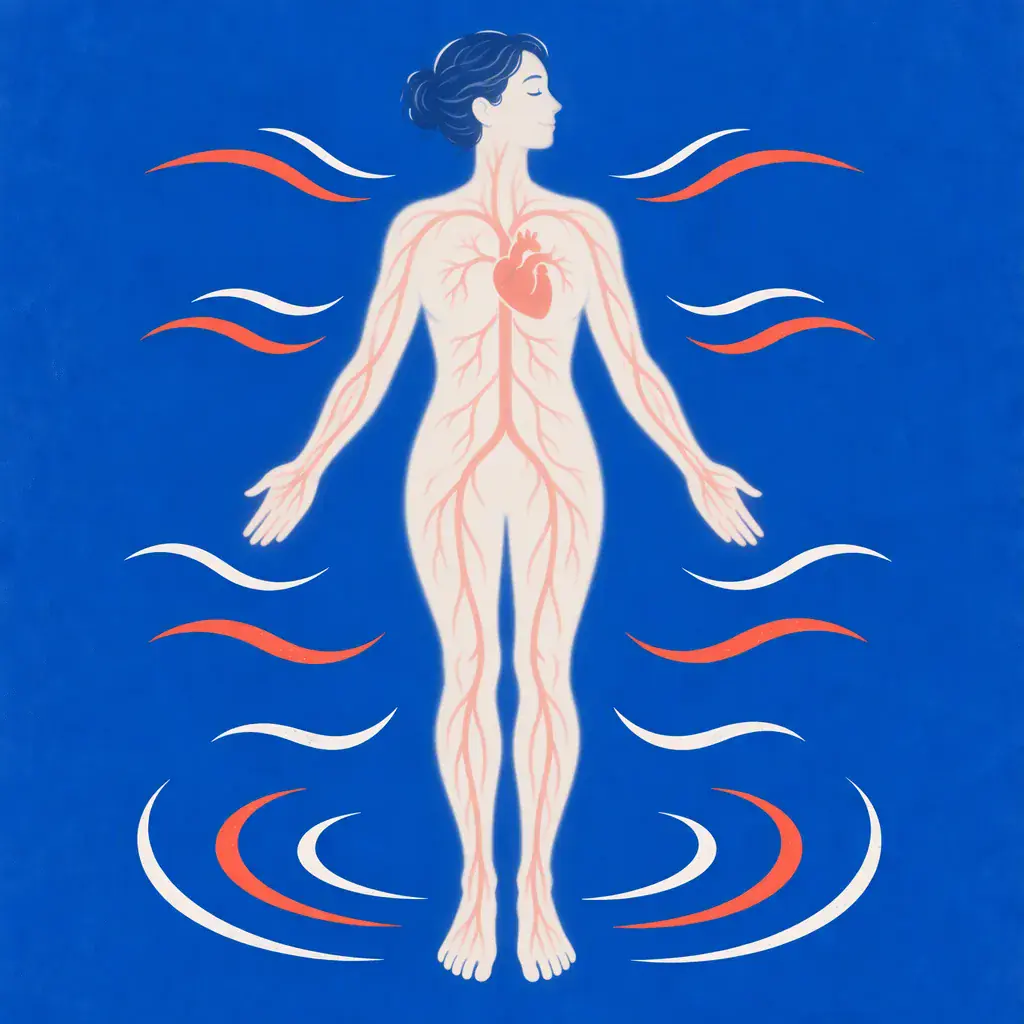
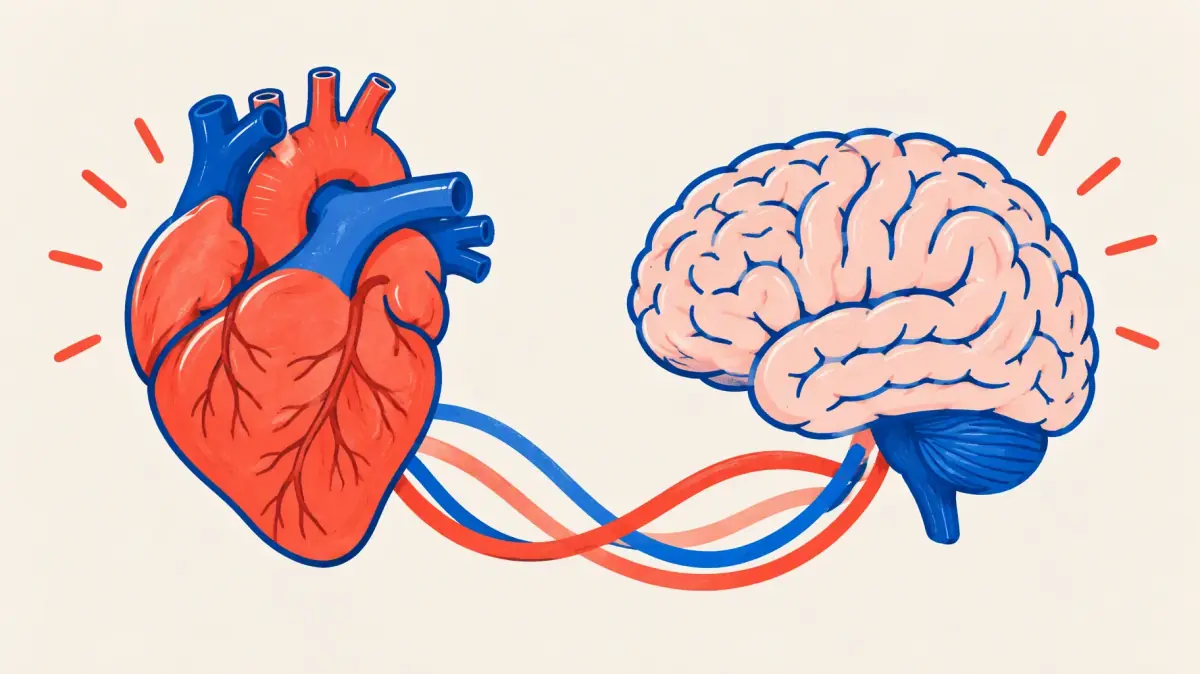
In 2 observational cohorts, greater sleep apnea–specific hypoxic burden was associated with cardiovascular mortality. The findings support further attention to oxygenation; they do not establish that reducing this metric prevents cardiovascular events.1
Free download
The Clinician Conversation Guide explores what can stand between patients and continued OSA care, with a practical approach to discussing those challenges. Use it to open an honest conversation about what got in the way and help patients consider a next step that feels possible.
Get the clinician guideIn OSA pathophysiology, upper-airway collapsibility interacts with nonanatomical traits, including pharyngeal muscle responsiveness, ventilatory control, and the threshold for arousal. Their contributions vary between patients.2
Structural characteristics influence susceptibility to collapse.2
The ability of airway dilator muscles to respond during sleep can affect airway stability.2
Unstable ventilatory control and a low arousal threshold may contribute in some patients.2
This heterogeneity continues to inform research. It does not establish one mechanism, or one treatment, as the answer for every patient.2
BMI, body mass index.
Risk perception
of surveyed adults with untreated mild OSA chose "only people with severe OSA" when asked who is most likely to develop serious complications if OSA is left untreated.4
People surveyed with untreated mild OSA, n=439. The survey asked who was most likely to develop complications, not whether milder disease carries no risk.
Stay informed

Explore our survey insights, clinician conversation guide, and check-in guide for your OSA patients to support your conversations about OSA care. Email updates will keep you in the loop with new findings, educational resources, and perspectives from experts.
The Untreated OSA Initiative survey explored experiences with obstructive sleep apnea, treatment, and care. It was conducted online from July 28 to August 18, 2026.4
The survey included 3 perspectives: 1500 diagnosed patients (1000 untreated and 500 treated), 500 bed partners of untreated patients, and 505 healthcare professionals (HCPs) who regularly diagnose and/or treat OSA. Diagnosis and treatment status were self-reported by consumers. The untreated definition permitted positional or myofunctional therapy.4
Findings reflect respondents’ reports and, where noted, HCP estimates. Different questions used different groups and response thresholds. These findings are not national prevalence estimates and do not establish cause and effect.4
Last Updated on October 2026. Medically reviewed and approved by Apnimed.


